NVIDIA Unveils Neural Texture Compression: A Breakthrough in GPU VRAM Efficiency
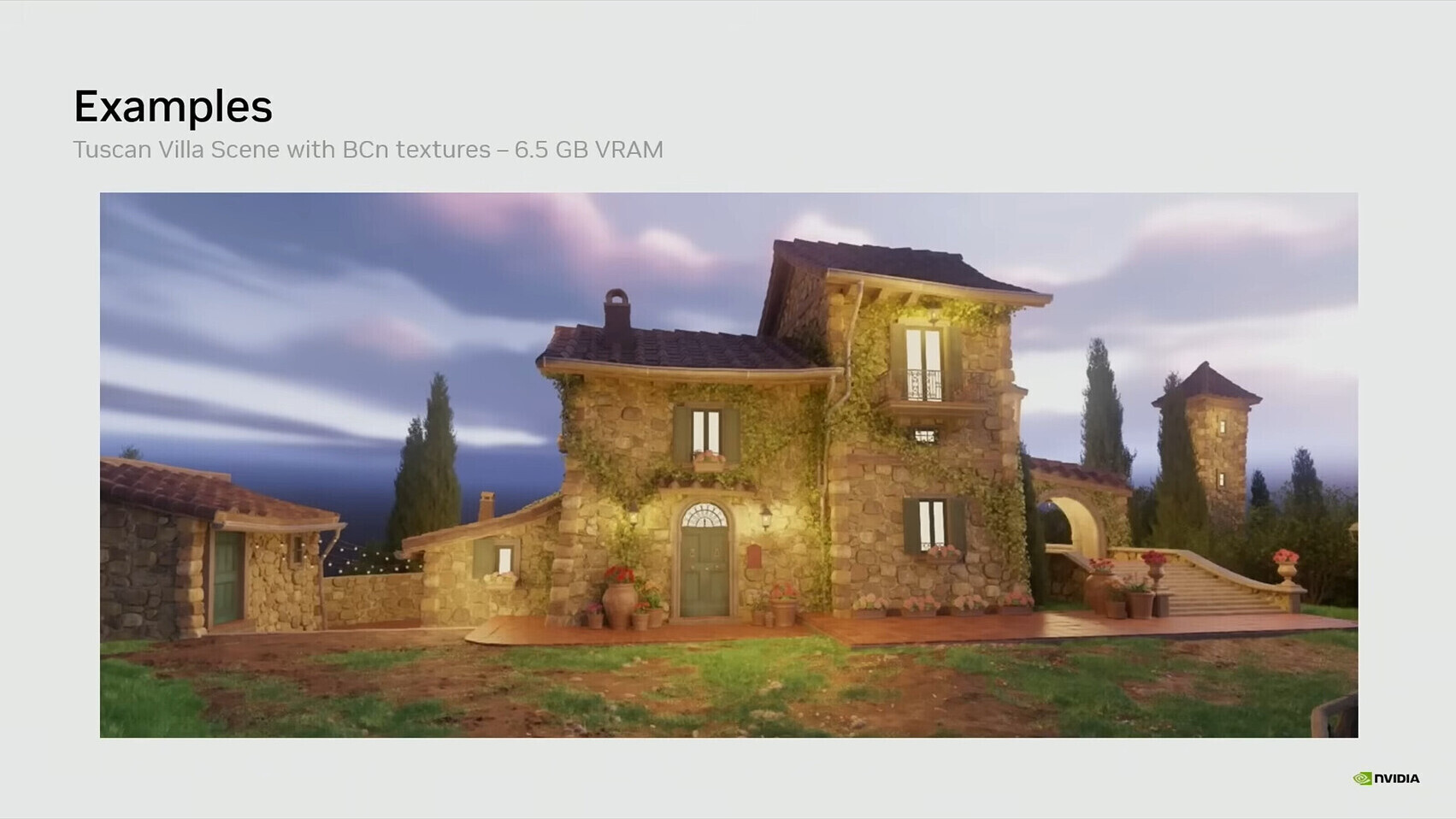
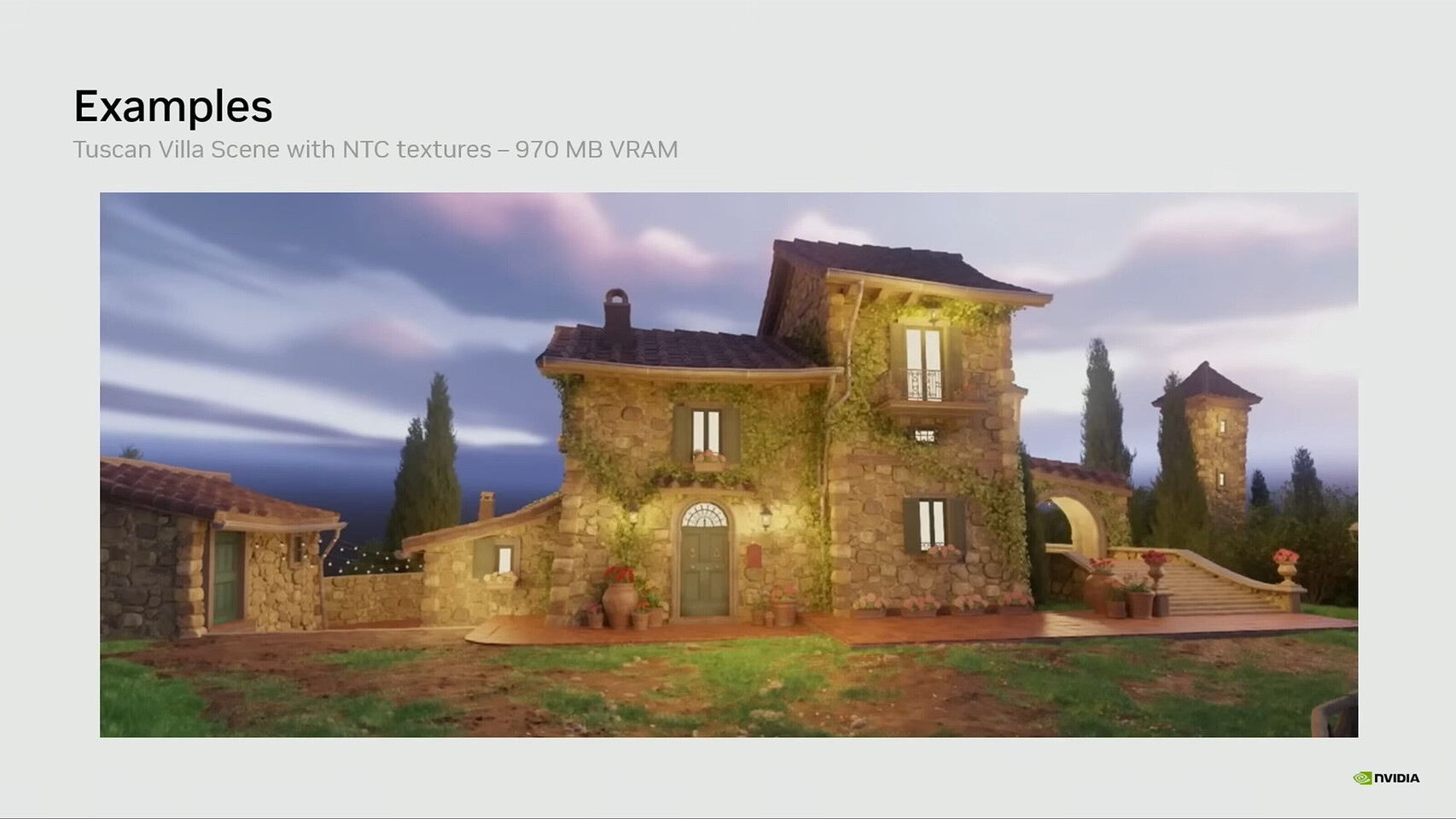
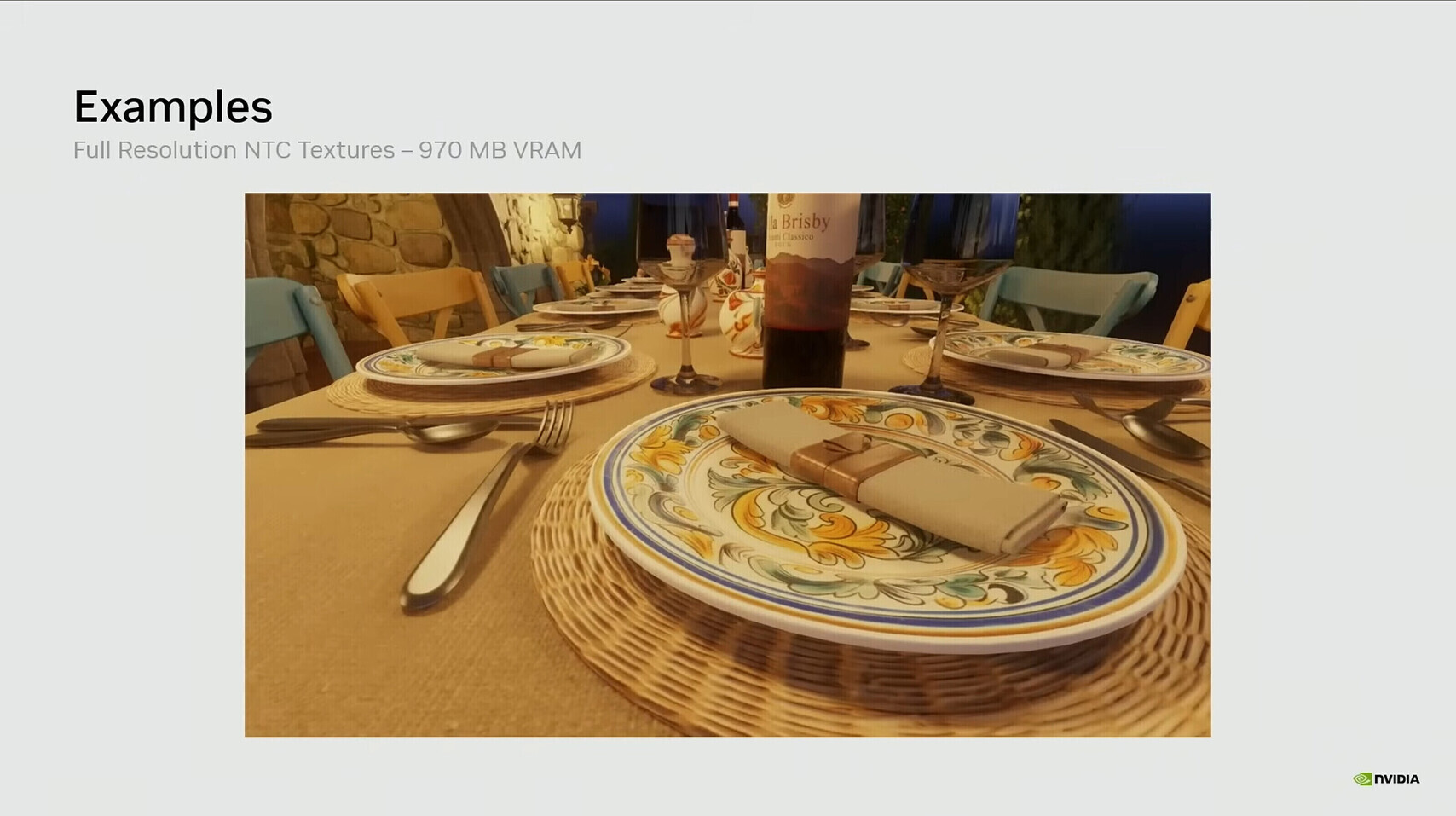
NVIDIA has introduced new details about its innovative Neural Texture Compression (NTC) technology, marking a significant leap forward in graphics memory optimization. NTC is designed to dramatically reduce GPU VRAM usage—by as much as seven times—without compromising visual fidelity. During a demonstration at GTC 2026, NVIDIA showcased how NTC can decrease VRAM requirements from 6.5 GB to just 970 MB in certain scenes, all while maintaining high-quality textures.
How Neural Texture Compression Works
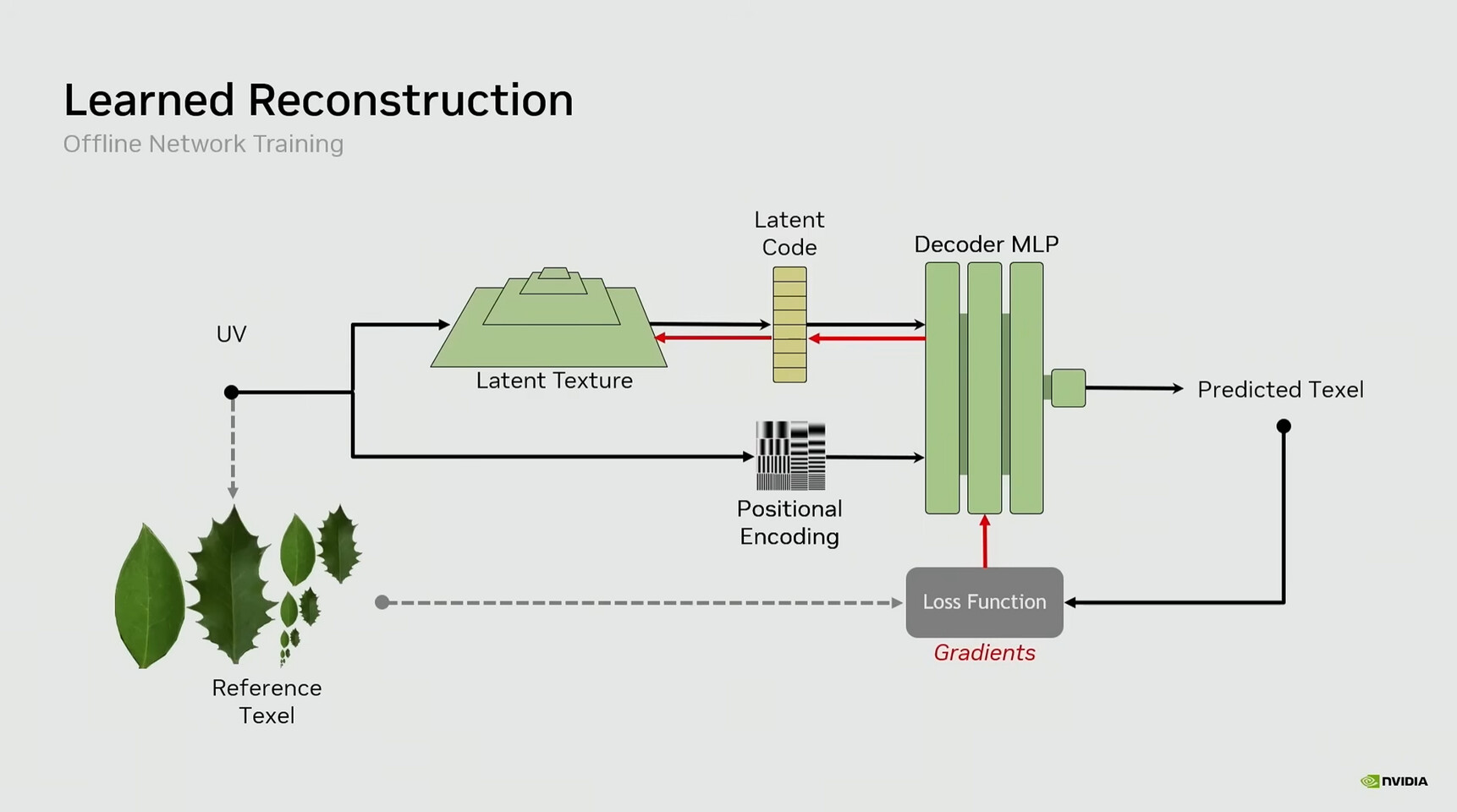
Neural Texture Compression leverages artificial intelligence to deliver high-quality texture output with minimal memory consumption. Unlike traditional block-compressed formats such as BC5, BC6, or BC7—which store textures in 4x4 pixel blocks—NTC uses compact neural networks trained to replicate the appearance and format of textures at a fraction of the original size. This approach allows for either substantial VRAM savings or enhanced material detail, depending on the needs of game developers.
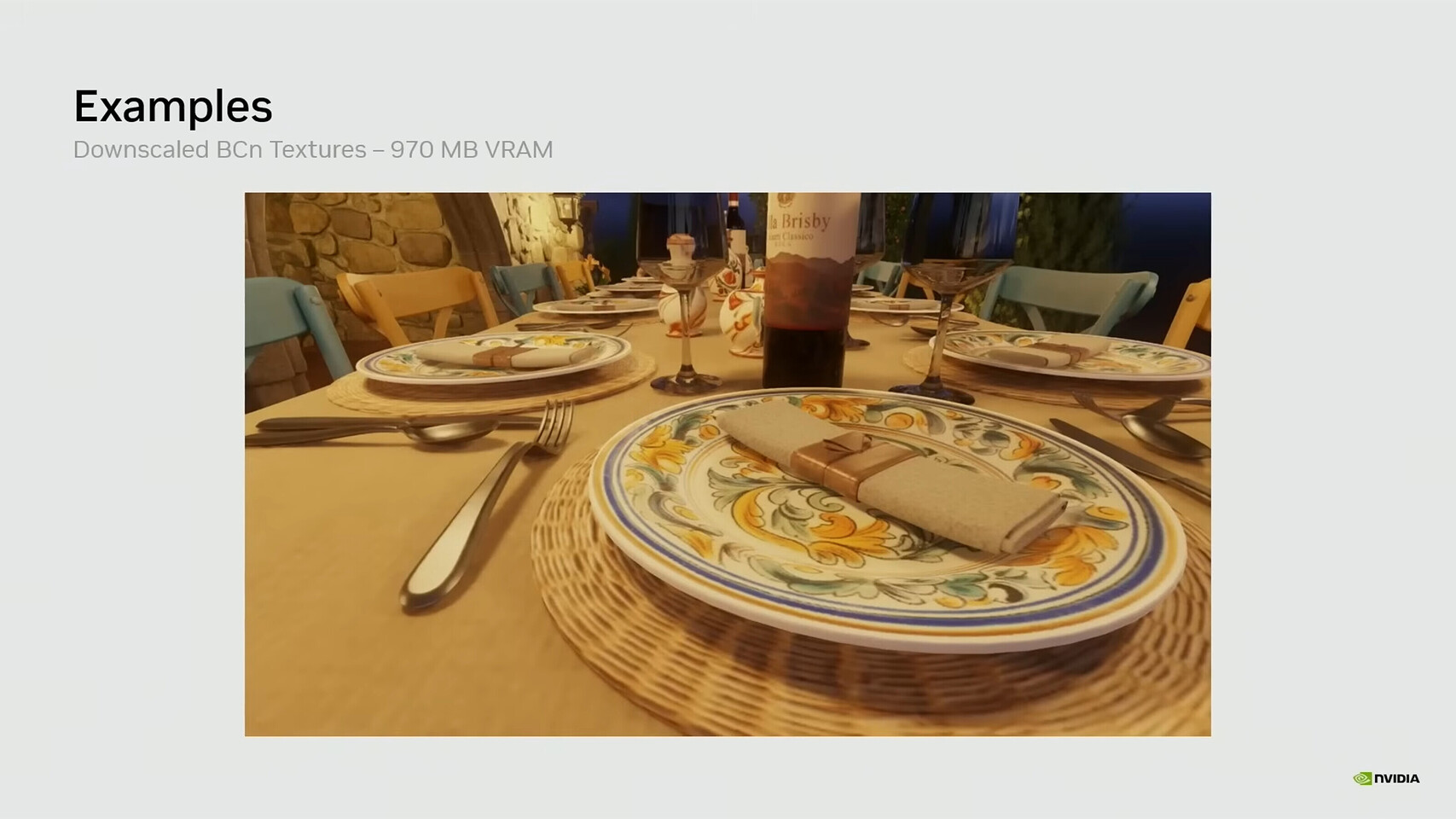
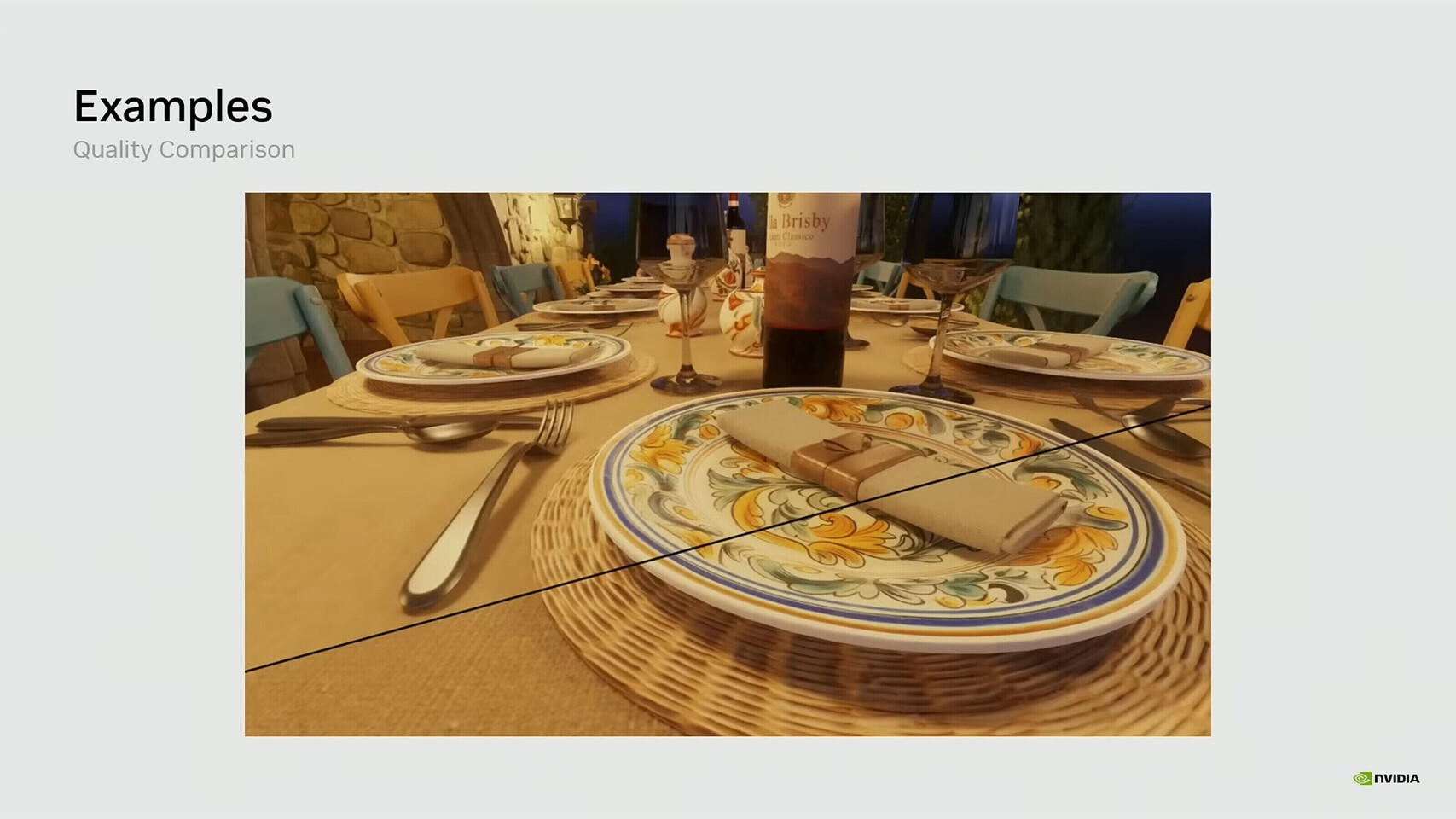
In practical demonstrations, such as the rendering of a Tuscan Villa and its detailed interior, NTC preserved the intricate look of materials like tableware while operating within the same 970 MB VRAM budget. The technology consistently outperformed downscaled BCn textures, delivering superior results without increasing memory usage.
AI-Driven Texture Optimization for Next-Generation Games
NTC’s core innovation lies in its ability to train neural networks to understand the unique characteristics of texels—the smallest units of a texture map—across a wide variety of materials. NVIDIA has developed specialized neural networks for nearly every type of game material, ensuring that NTC is ready for integration into real-world gaming environments.
This AI-driven process enables games to feature complex, high-quality materials and expansive environments without incurring a performance penalty. Developers can choose to use the freed-up VRAM to add more content or to further enhance visual detail, all while maintaining smooth gameplay experiences.
Neural Texture Compression represents a major advancement in graphics technology, offering a practical solution to the growing demand for high-resolution textures in modern games. By combining deep learning with efficient memory management, NVIDIA is setting a new standard for visual quality and performance in the gaming industry.